
A date change may be possible subject to availability and provided that the terms of the package and/or suppliers allow it. There may be an additional charge and/or a price difference. Please contact us to verify and for details.
This is a journey for those in the “know”—for those of you who have a true sense of travel, who seek experiences rather than just a vacation. From the stirring Normandy of the D-Day landings to charming Brittany and the fairytale castles of the Loire Valley, we’ll discover a Northern France steeped in history, legends, medieval castle towns, and majestic landscapes along the English Channel.
We’ll stroll through the medieval alleys of Rouen, discover the elegant Deauville and the maritime city of Saint-Malo, admire the unique tidal island of Mont-Saint-Michel, and experience the atmosphere of the Loire Valley with its famous Renaissance castles, such as Chambord, Chenonceau, Blois, and Tours.
This is an exclusive and comprehensive itinerary, carefully designed based on many years of experience organizing tours in France. With direct flights to and from Paris—ideal for the smooth execution of the itinerary—and routes that connect seamlessly, we invite you to experience France in a different way: as travelers, not as tourists.
Thessaloniki "Macedonia" Airport (Google Maps)
Meet at Macedonia Airport and fly to Paris. Arrive in the French capital and immediately depart by car for Normandy. Our destination will be Rouen, the historic capital of Normandy, one of the largest cities in France and in all of medieval Europe. Transfer and check-in at our hotel. Overnight stay in Rouen. Additionally, for those departing with Aegean Airlines: During our guided tour of Rouen, in addition to the cathedral, we will also visit: the Church of Joan of Lorraine, with frescoes depicting the scene of her martyrdom, as well as the castle of the same name, where she was tortured. We’ll also see the Astronomical Clock, a 14th-century tower located on the street of the same name in the city center. Another attraction is the Museum of Fine Arts, which houses masterpieces by Monet, Caravaggio, Velázquez, and Zérico.
Today we’ll leave Rouen behind and head west to the coast of Normandy. Our first stop will be the seaside town of Honfleur, a resort on the English Channel. After Honfleur come the historic shores of the Allied Landings, and to the north, the mouth of the Seine with the famous Normandy Bridge connecting the two banks of the (Honfleur–Le Havre). The bridge is one of the largest cable-stayed bridges in the world, measuring 2,142 meters in length, and was built in 1995. Honfleur itself is a traditional and peaceful little town that evokes a bygone era. It was founded by the Vikings and, until the mid-12th century, served as an important commercial hub for the transport of goods from Rouen to England. Its main attractions are: the Catholic Church of St. Catherine (15th century), the largest wooden church in France; The building of the old Garrison Headquarters at the entrance to the harbor, dating from before 1600. And finally, the Maritime Museum, housed in a 15th-century church. Next is the beautiful Deauville, the famous aristocratic Belle Époque resort on the Normandy Flower Coast. It began operating as a resort in the 19th century, inspired by the Duke de Morny, who wanted to create a realm of elegance there! Coco Chanel opened her first store in Deauville in 1913. The city boasts a famous 2-kilometer-long beach connected by a wooden promenade, the Planches, which is lined with elegant 1920s-style changing cabins. Deauville was a magnet for the European aristocracy and the global plutocracy in both the 19th and 20th centuries. Our final stop will be Caen, the city of William the Conqueror (1028–87) and the capital of Lower Normandy. William was the Duke of Normandy and the first Norman monarch of England. During his reign, he built many structures in Caen, which still stand today, and he was eventually buried there. This is one of the city’s historical landmarks. The other is the devastating Battle of Caen during the Normandy Landings in 1944, which resulted in the city being almost completely razed to the ground. Today, the city is home to the Caen Memorial, a museum dedicated to that devastating battle. Arrival, transfer, and check-in at our hotel. Overnight stay in Caen.
Today we will leave Caen and continue on to the shores of the English Channel, where the D-Day landings took place on June 6, 1944. This landing marked the Allies’ entry into World War II, the collapse of the Western Front, and the beginning of the end of the war. The landing sites (zones) are as follows: Sogord (Anglo-French troops), Juno (Canadian), Gold (British), Omaha, and Utah (American). We’ll start from the spa town of Arromances-les-Bains, which is very close to the Gold Beach, where the British landed. One of the two supply harbors, named Melbury, was built there during the landing. Today, parts of Harbor B (also known as Winston Harbor) remain, which we will visit. The D-Day Museum is located right there. At the museum, we’ll watch a unique 40-minute screening, lasting 40 minutes, featuring rare Allied footage from the landing that lasted 100 days and marked the fall of the Western Front. The presentation is shown on 9 screens arranged around the audience, providing a 360-degree view. After watching the documentary, we’ll continue along the German Atlantic Wall fortifications and arrive at Point O, located between the American Omaha and Utah beaches. A German Atlantic Wall base was established there, stretching across Normandy and Brittany. At Point O, we will see German gun emplacements and the American cemetery in the neighboring seaside town of Colville-sur-Mer. There, 9,386 American soldiers who were killed on D-Day, June 6, 1944, are buried. Immediately afterward, we’ll head to the beautiful resort town of Saint-Malo. Saint-Malo is located on the Brittany peninsula, which borders Normandy in its northern part. We’ll tour the city and take a stroll along the beach and through the old walled city of Saint-Malo, which was once a major naval power, a launching point for exploratory expeditions, and a haven for privateers. Today, Saint-Malo is an important port and a Parisian resort. It is the most popular tourist destination in Brittany. It boasts more seafood restaurants than any other European city. The most famous local delicacy is the oysters from the nearby village of Cancale. Overnight stay in Saint-Malo.
Morning departure for one of France’s most iconic landscapes, the unique Mont-Saint-Michel, the famous tidal islet in Normandy that seems to rise out of the sea like a scene from a fairy tale. Built at the mouth of the Couesnon River, which historically separates Normandy from Brittany, Mont Saint-Michel is one of the most important pilgrimage sites of medieval Europe and ranks among the world’s top cultural heritage sites. Upon our arrival, we will cross the road connecting the island to the mainland and walk up the picturesque cobblestone streets lined with stone houses, traditional shops, and small medieval nooks that preserve the unspoiled charm of a bygone era. At the summit stands the imposing fortified abbey of Saint-Michel, a masterpiece of Romanesque and Gothic architecture, with the golden statue of the Archangel Michael crowning the bell tower and gazing out over the boundless horizon of the English Channel. Particularly striking is the unique tidal phenomenon, one of the most intense in Europe. At certain times of the month, and especially during the equinoxes, the sea floods the area around the island at an impressive speed, transforming Mont-Saint-Michel into a veritable “floating castle.” Free time to explore, taking photos, and enjoying the unique atmosphere of the place before we depart for the enchanting walled city of Saint-Malo, the legendary city of Breton seafarers and privateers. Arrival in Saint-Malo and a tour of the historic walled city (Intra-Muros), which is surrounded by impressive granite fortification walls offering panoramic views of the sea and the coast of Brittany. We’ll stroll through the narrow cobblestone alleys lined with well-preserved mansions, small squares, traditional cafés, and elegant shops that give the city its unique atmosphere. During our walk, we’ll learn about the city’s rich maritime history—it was once an important port for explorers and privateers— while from the ramparts we’ll enjoy breathtaking views of the English Channel, the small islets, and the dramatic tides that characterize the region. Free time for coffee or dinner, with the opportunity to sample traditional Breton delicacies such as galettes, crepes, fresh seafood, and local cider. Overnight stay in Saint-Malo.
Today we’re heading to the medieval town of Angers, located in the Loire region of central-western France. The Loire Valley is 280 km long and covers an area of 800 square kilometers. It is referred to as the Cradle and Garden of France because of its abundance of vineyards, cherry orchards, and artichoke and asparagus fields that run parallel to the riverbanks. This valley, notable for its historic towns, architecture, and wines, has been inhabited since the Middle Paleolithic period. Its number one attraction, however, is the famous Castles of the Loire, built during the French Renaissance, when the court of the French kings was based in the region. For these reasons, the central part of the Loire Valley is listed as a UNESCO World Heritage Site. We’ll take a panoramic tour of the city, famous for its enormous, impressive castle, which was first built in the 9th century by the Counts of Anjou and expanded in the 13th century. It is considered one of the largest medieval castles in France and has now been converted into a museum, housing the oldest and largest collection of medieval tapestries in the world. We will continue on to the city of Tours, in the heart of the Loire Valley. The city was founded in the 1st century by the Roman emperor Augustus and features one of the largest Roman amphitheaters in the entire empire. It has been designated a City of History and Art. This is yet another jewel of a city, which, in addition to its magnificent Renaissance buildings, also features a castle (Tours Castle), built in the 11th century and now serving as a museum. After touring the city and the castle, we’ll head to our hotel. Overnight stay in Tours.
Today’s itinerary is once again dedicated to the castles of the Loire Valley, specifically the Château de Blois and the Château de Chenonceau. Our first stop will be the Château de Senonçaux, near the village of the same name. The castle is first mentioned in historical sources in the 11th century. However, it was rebuilt in the 16th century on the site of a watermill and features a bridge in the Gothic and Renaissance styles. This castle, along with its gardens, is the most visited in France after Versailles. It is also known as the Ladies’ Castle because, throughout its history, it was administered, inhabited, used, expanded, and decorated primarily by women. Next is the town of Amboise, built on the banks of the Loire River. Today it is a beautiful and peaceful little town, but in the Middle Ages it served as the seat of the French royal court and thus enjoyed centuries of glory. The city’s most iconic landmark is the Château d’Amboise, and very close to it is the Château de Clos-Lisse, which is connected to Amboise by an underground tunnel. Another artistic attraction in the city is the famous fountain by the German Dadaist artist and poet Max Ernst, who lived for several years in neighboring Tours. The work was created in 1967 and is located in front of Amboise’s commercial square. The title of the sculptural fountain is “To the Despised, to the Ridiculed, to Genius”… In Amboise, we’ll have free time for a stroll and lunch. Next, we’ll head to Blois, another city on the Loire. Its top attraction is the famous Château de Blois, which was once one of the residences of Louis XII. It is located in the city center, in front of an 18th-century stone bridge spanning the Loire. Since the city is built on two steep hills, it is full of winding, steep alleys that often lead to large staircases. To the south of the city lies the Forest of Rissy, a small remnant of the ancient dense forest that once covered the entire Loire region. The Château de Blois is also known as the “Dictionary of Architecture,” as its various wings are outstanding examples of the periods in which they were built (13th–17th centuries). We will visit the medieval fortress, the Gothic wing, the Renaissance wing, and the Neoclassical wing, as well as Catherine de’ Medici’s Poison Room. Return to Tours and overnight stay. NOTE: Admission to the castles is optional, not included, and if you choose to visit, the fee is paid on site.
Today we’ll make one more stop in the Loire Valley to visit the famous Château de Chambord, one of the most famous castles in the world due to its unique architecture. It was built on the orders of King Francis I in the Renaissance style but was never completed. In fact, it is said that Leonardo da Vinci himself approved the plans and supervised the construction. In any case, it is the largest castle on the Loire and was built as a royal residence for the hunting season. After enjoying the Château de Chambord, we’ll depart for Paris. We’ll arrive in the late afternoon, check into the hotel, and spend the night there.
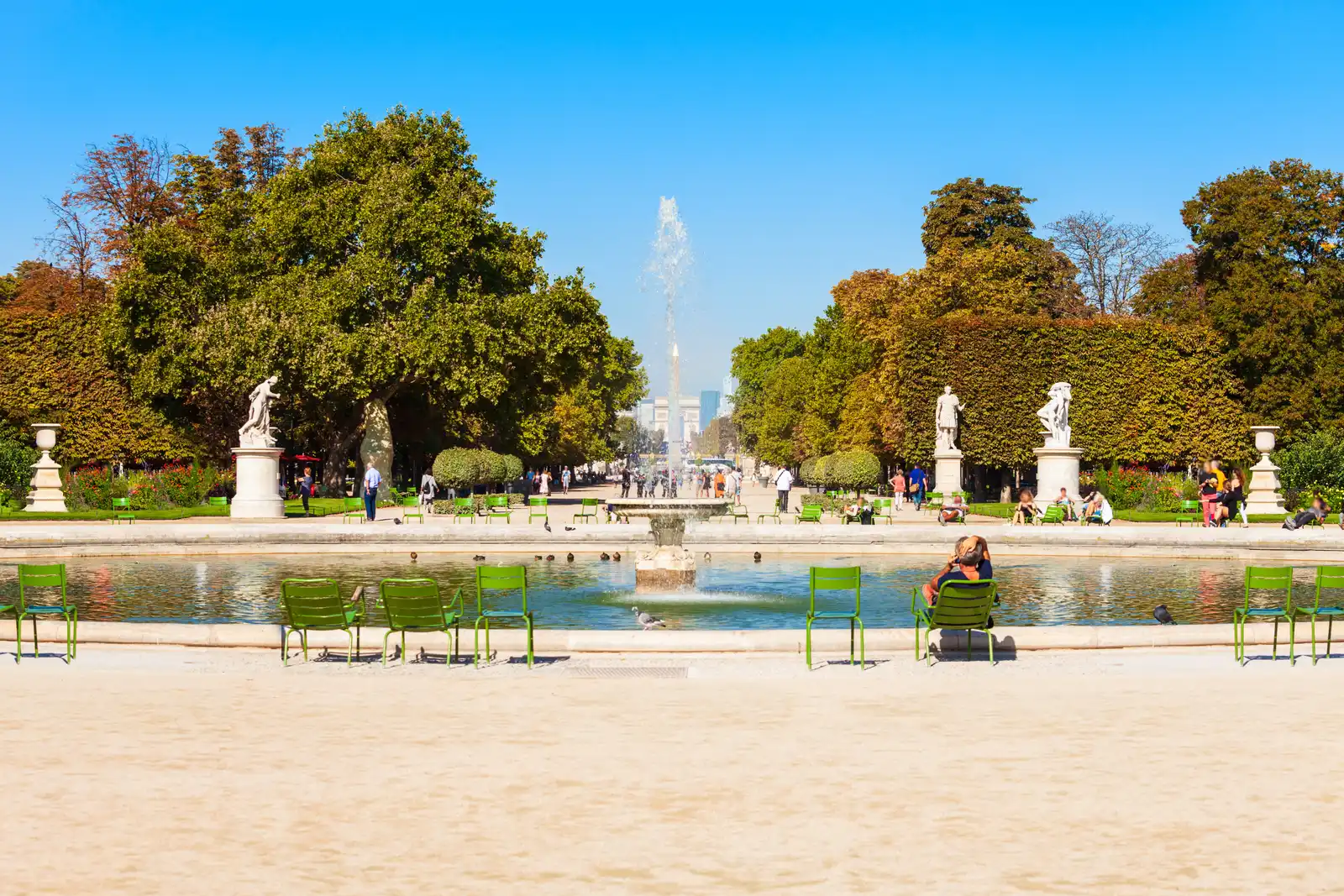
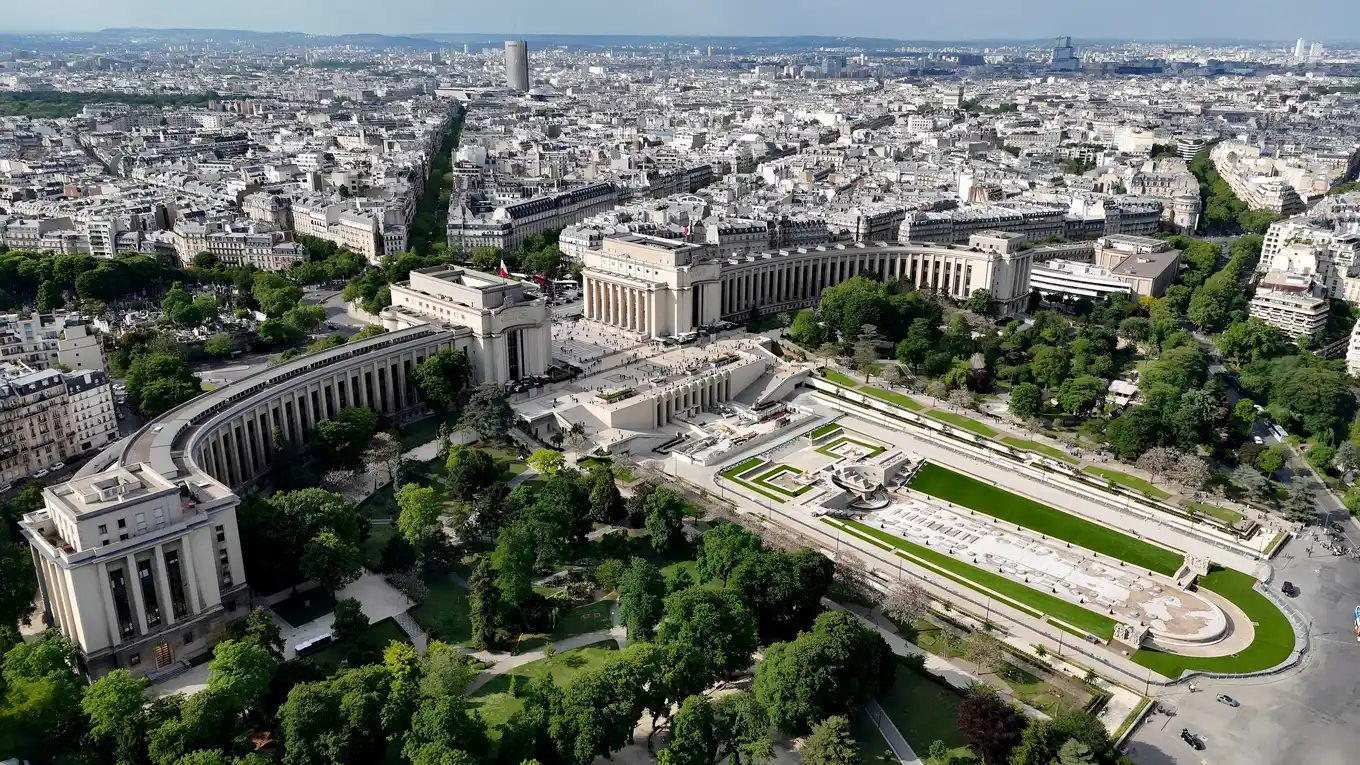
Breakfast, then departure for downtown Paris for some shopping and a relaxing stroll along the Champs-Élysées. Departure for the airport for our return flight.
The possibility of a refund and/or any deductions depends on the terms of the specific package, the time of cancellation, and the respective suppliers. For your specific case, please review the General Terms and Conditions or contact us.
Some packages include travel insurance, or optional coverage may be available, depending on the destination and itinerary. For available options and coverage terms, please contact us or refer to the General Terms and Conditions.
The reservation is finalized in accordance with the procedure set forth in the General Terms and Conditions of Participation (e.g., confirmation and payment of the amount/deposit, where required). For specific steps and deadlines applicable to this particular package, please contact us.
The itinerary is based on available schedules and services; however, changes or adjustments may occur before and/or during the trip for operational reasons and/or due to unforeseen circumstances. In any case, the General Terms and Conditions of Participation apply, and participants will be notified accordingly.